



In Stock, Ready to Ship!
$90.00
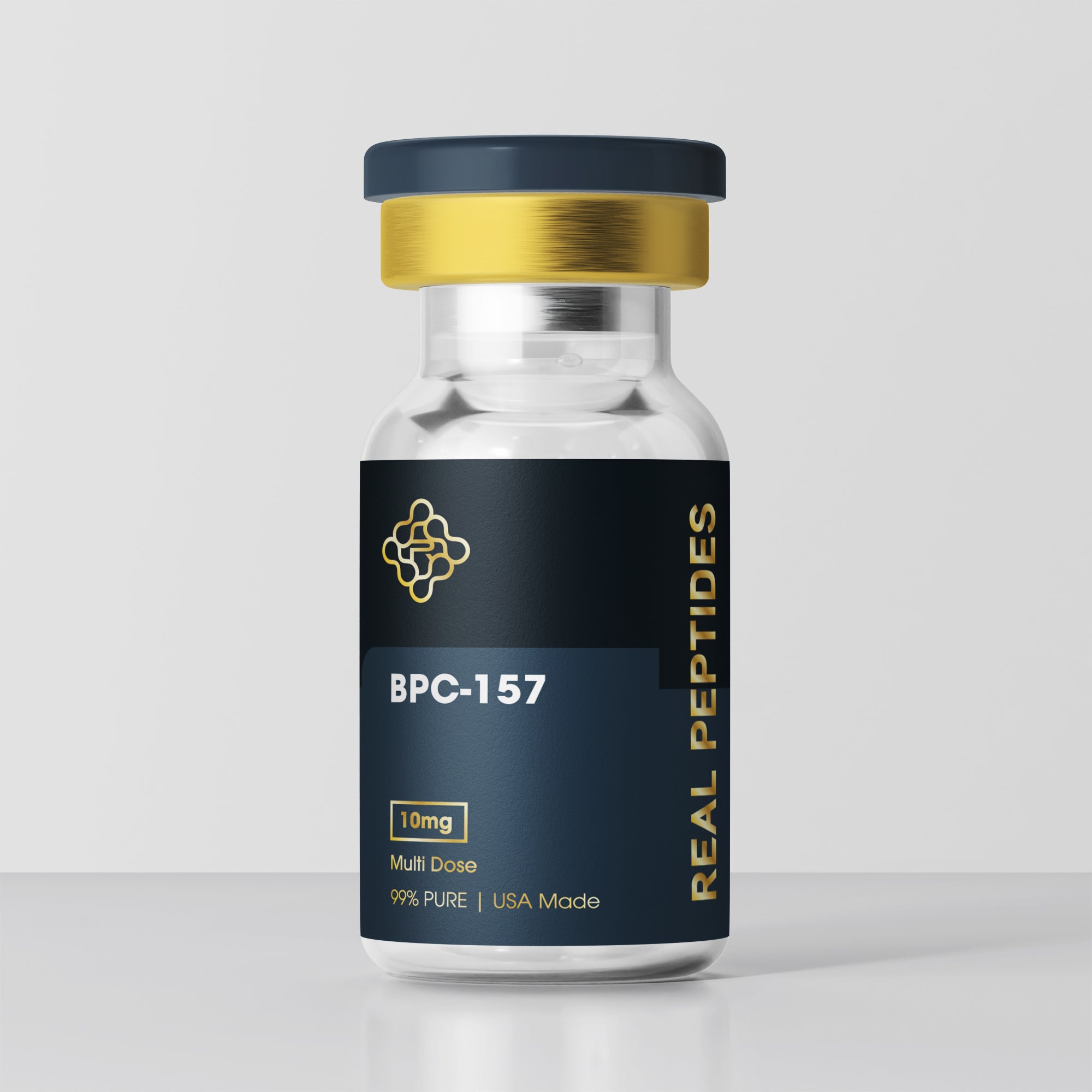
99% Pure | USA Finished| Multi Dose
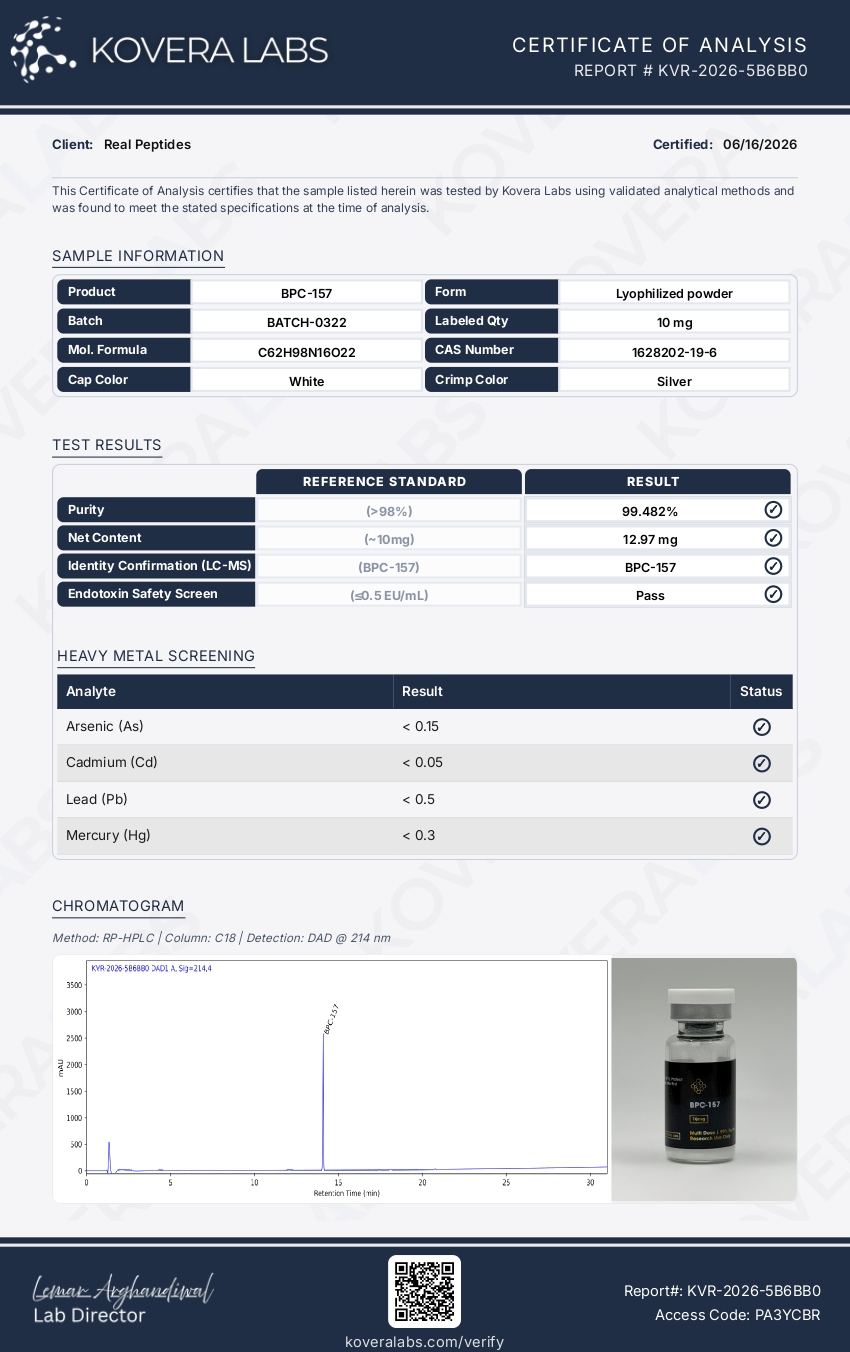
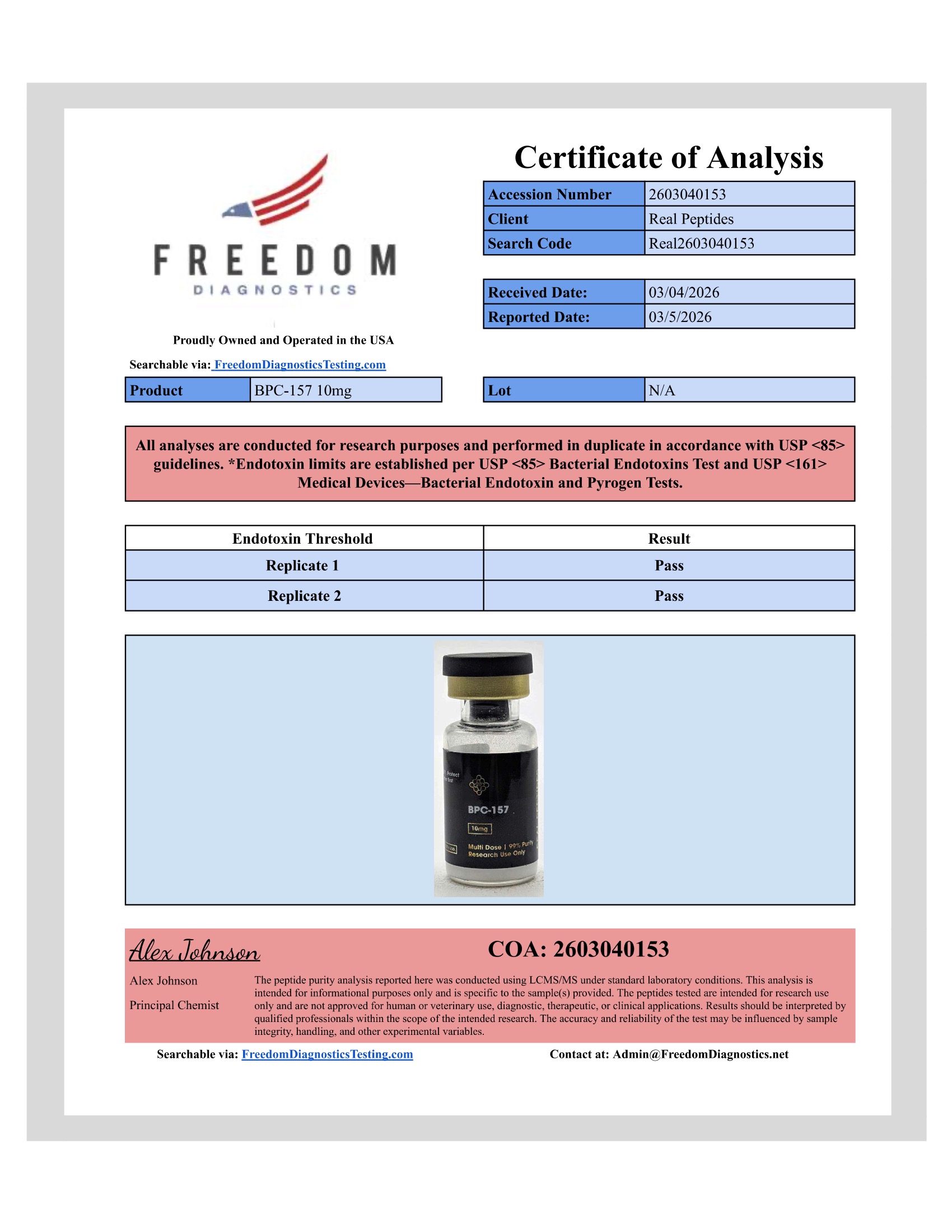
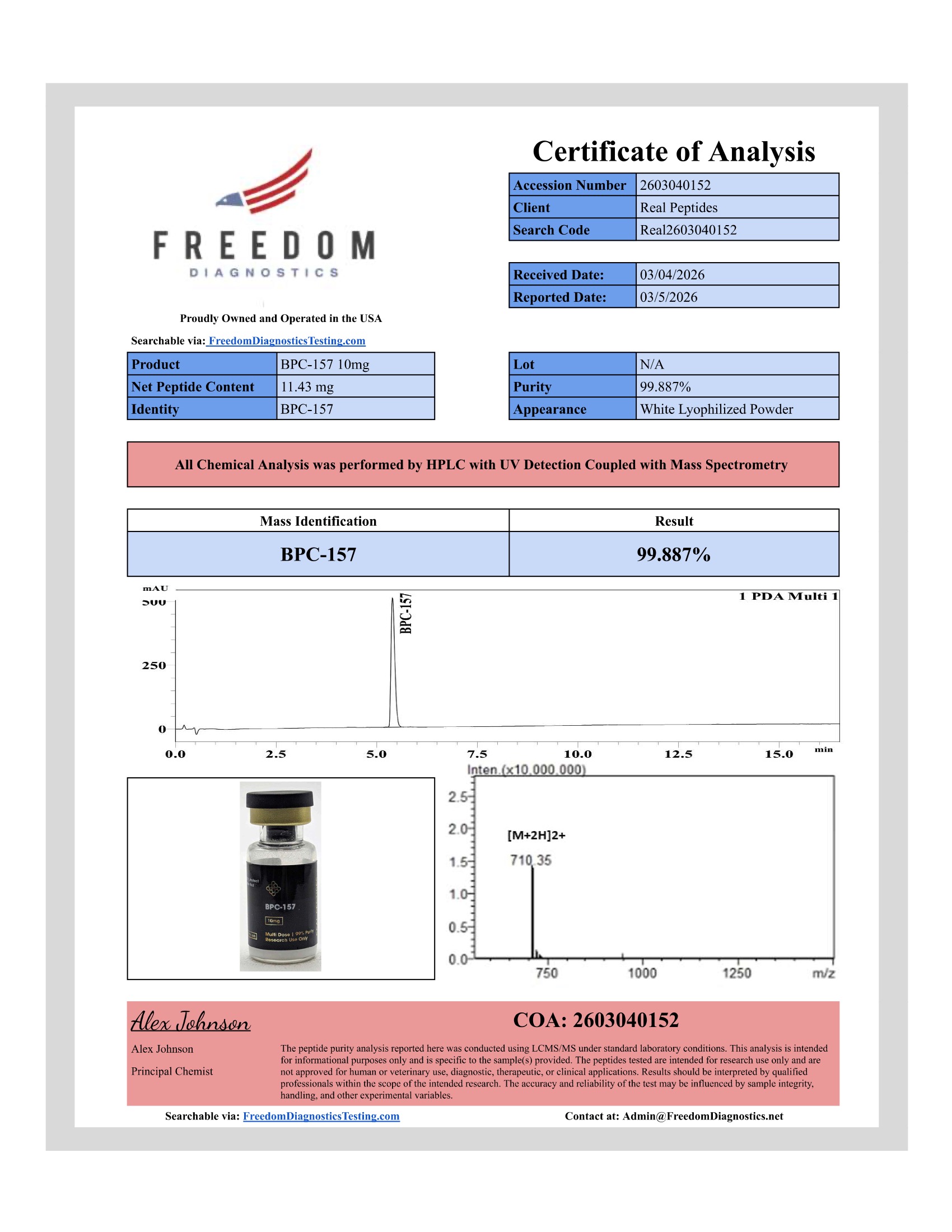
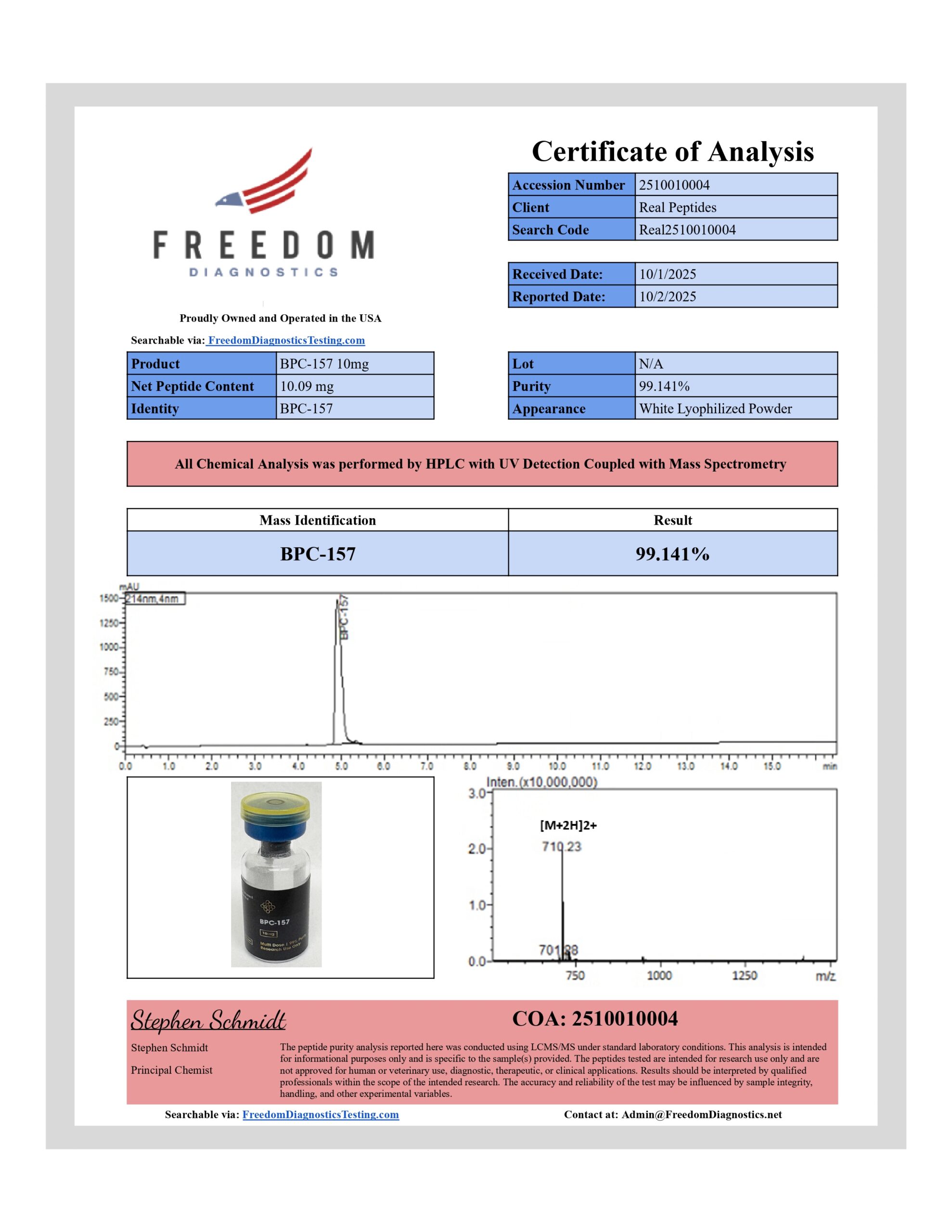
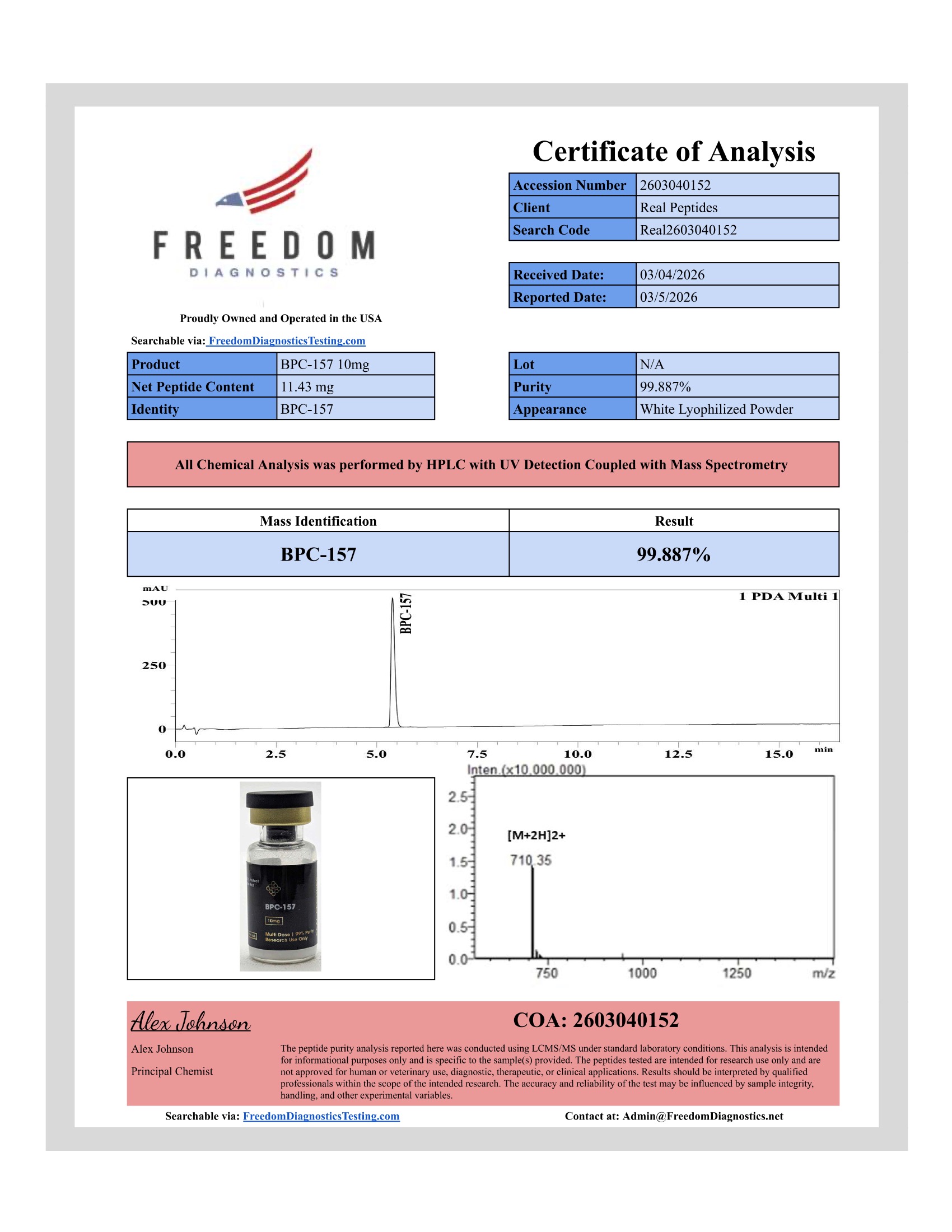
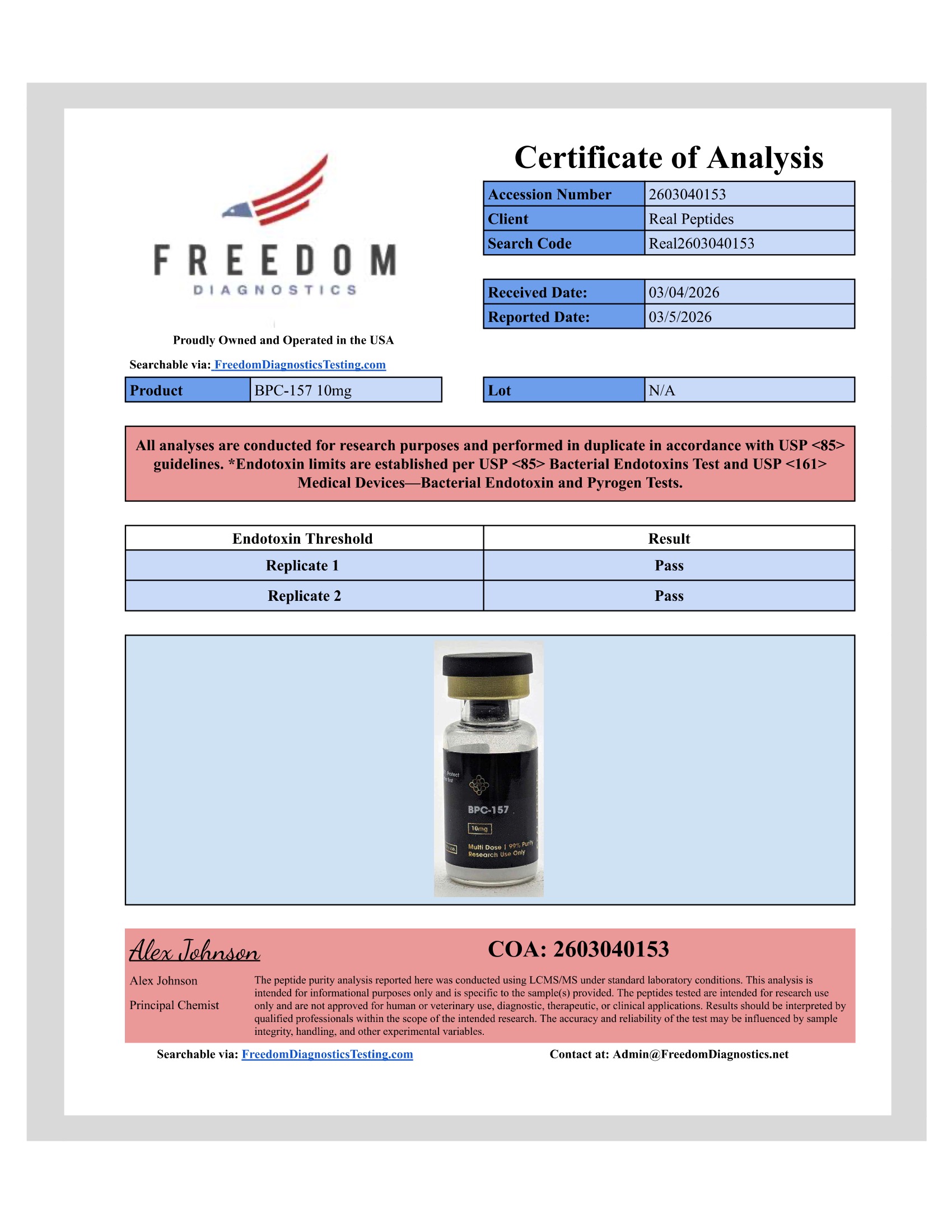
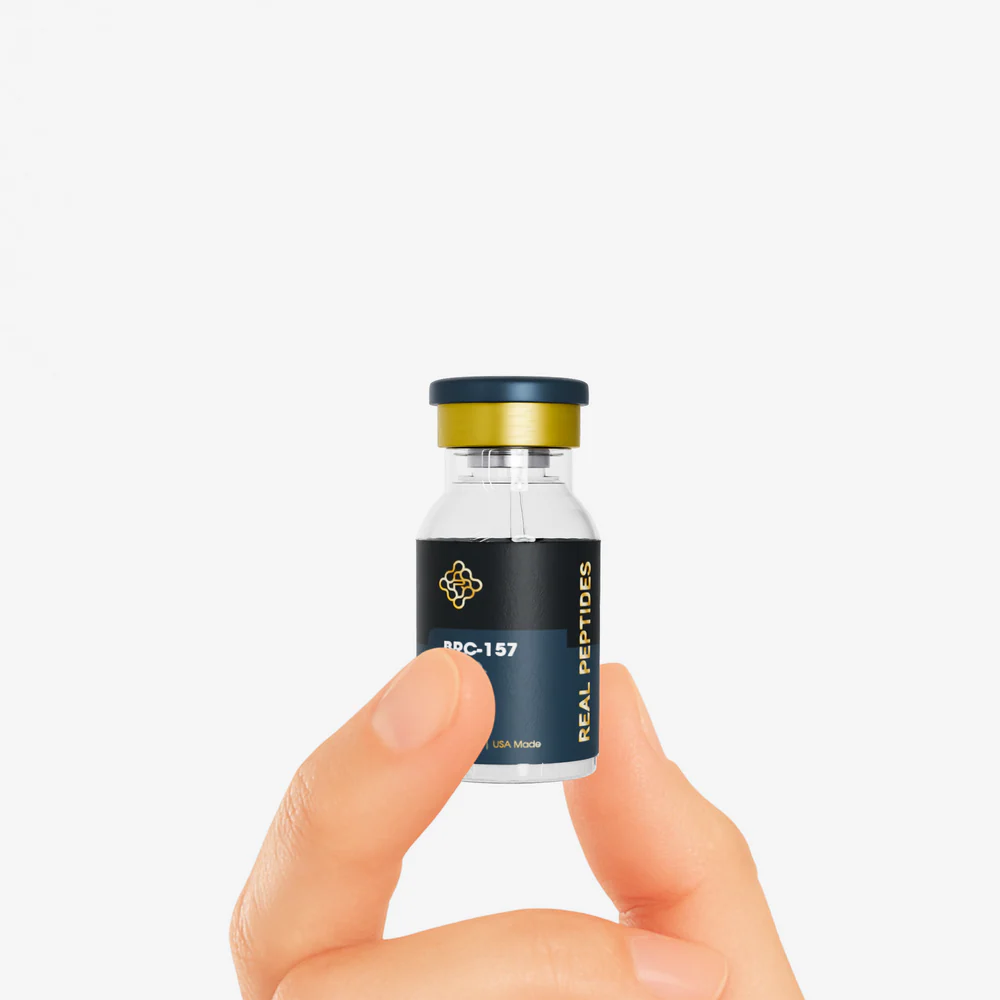
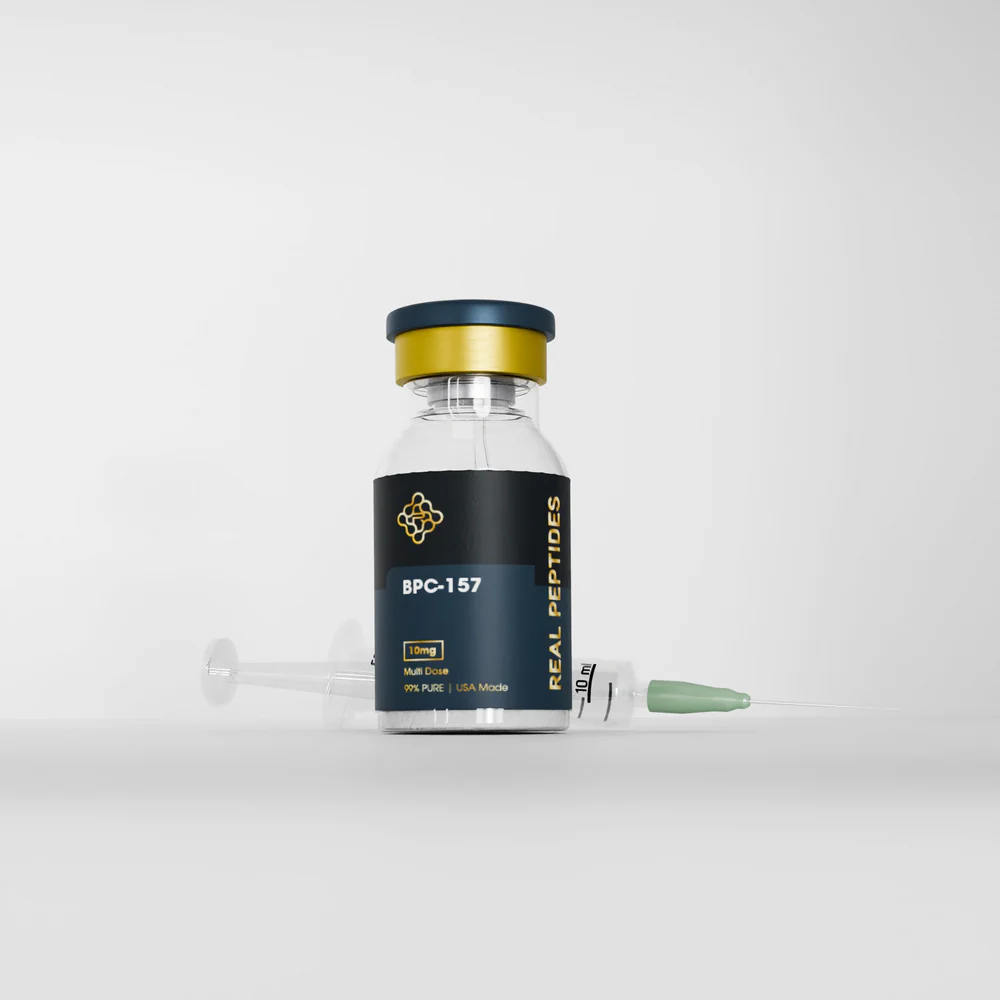
BPC-157 is a synthetic 15-amino-acid peptide derived from a naturally occurring gastric-juice protein, prized in laboratory models for its potent tissue-repair and angiogenic signaling. In preclinical assays, BPC-157 accelerates wound closure, supports blood-vessel formation, and protects the gut mucosa—without any systemic growth-hormone activity. Each 10 mg vial is produced under ISO-certified conditions, verified ≥99% purity by HPLC, screened for endotoxin (<0.1 EU/mg), and shipped with a Certificate of Analysis for your protocols.

In Stock, Ready to Ship!
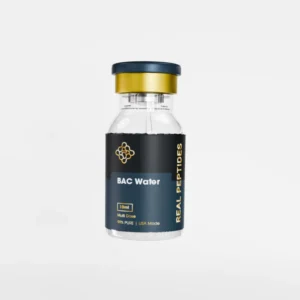
Peptides are not ready to use. Must purchase BAC water for reconstitution.
In scratch-assays, BPC-157 drives fibroblast and keratinocyte migration to close gaps up to 60% faster than controls.
Endothelial cell models show BPC-157 elevates VEGF and nitric-oxide signaling to form robust capillary networks.
In rodent ulcer models, BPC-157 reduces lesion size and preserves mucosal integrity by modulating inflammatory mediators.
Macrophage and cytokine assays demonstrate BPC-157 downregulates TNF-α and IL-6, providing a tool for inflammation-resolution research.
Preclinical stroke and nerve-injury models reveal BPC-157’s role in promoting neuro-angiogenesis and reducing neural apoptosis.
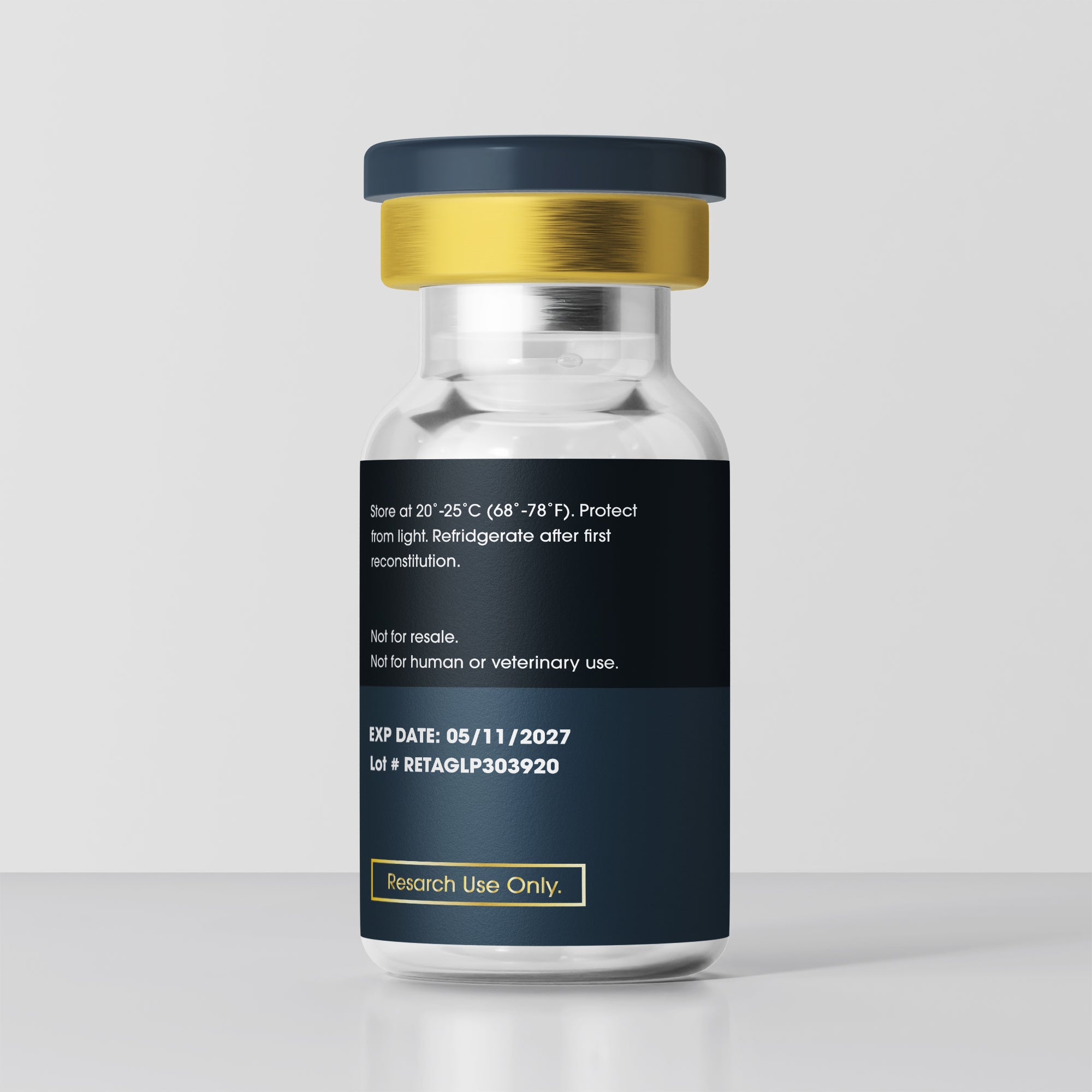
Reconstitute BPC-157 in SWFI or BAC water; store lyophilized at –20 °C and keep reconstituted solutions at 2–8 °C for up to 7 days with >98% integrity.
BPC-157 (Body Protection Compound-157) is a laboratory-synthesized pentadecapeptide modeled on a human gastric peptide fragment. It is used in cell cultures and animal assays to investigate extracellular matrix remodeling, vascular signaling, and mucosal defense. By engaging growth-factor and nitric-oxide pathways, BPC-157 offers a versatile platform for studying tissue dynamics in skin, gut, and nervous-system models.
Researchers choose BPC-157 for its uniquely broad profile: it accelerates tissue repair, drives new blood-vessel formation, and protects gastrointestinal lining, all within a single peptide. Its efficacy across dermal wound-healing, ulcer-protection, and neurovascular assays has made it a staple in regenerative-medicine protocols. Manufactured in ISO-certified facilities and validated by rigorous HPLC and endotoxin testing, every vial ensures reproducible, high-quality results.
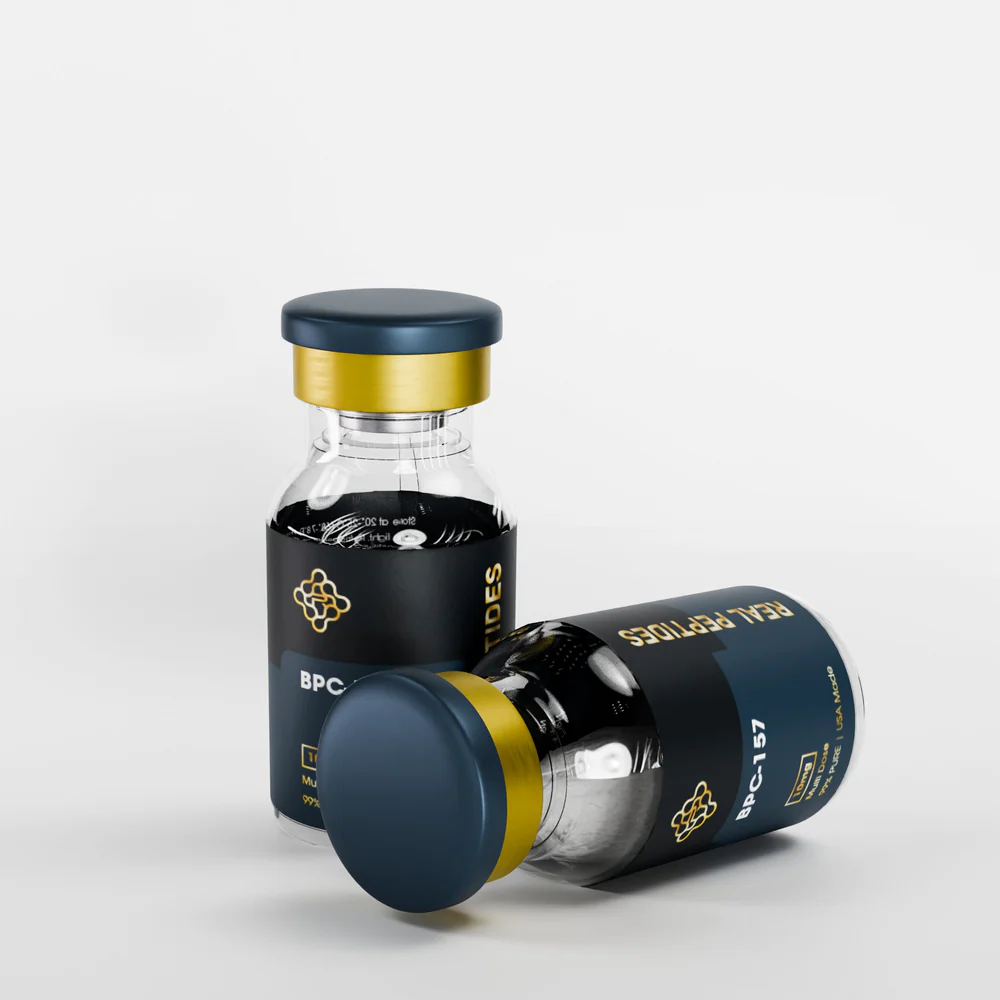
Unlike narrow-spectrum peptides, BPC-157 simultaneously modulates angiogenic, cytoprotective, and anti-inflammatory pathways—without systemic hormone effects. Its stability in gastric environments and compatibility with diverse lab models (in vitro, ex vivo, in vivo) make it an indispensable research tool for exploring multi-tissue repair and vascular health mechanisms.
Demonstrated that BPC-157 improves insulin signaling and reduces TNF-α and IL-6 release in hepatocyte cultures exposed to high-glucose conditions, providing a new model for studying metabolic-dysfunction pathways. mentalhealthdaily.com
This April 2024 review in Pharmaceuticals details novel BPC-157 salt formulations, their organ-protective activity in rodent models, and emerging strategies (e.g., C- or N-terminal modifications) to enhance peptide stability and bioavailability. mdpi.com
A first‐in‐human tolerability trial administering IV BPC-157 to healthy volunteers showed good safety profiles at doses up to 0.5 mg/kg, setting the stage for future clinical pharmacokinetic and safety assessments. ziba.guru
BPC-157 is a synthetic 15-amino-acid peptide used to study tissue repair, angiogenesis, and mucosal protection in lab models.
It promotes fibroblast and keratinocyte migration and upregulates VEGF, closing scratch-assays up to 60% faster.
Yes. In animal ulcer models, it preserves mucosal integrity and reduces lesion size by modulating inflammatory pathways.
Typical assay ranges span 100 nM to 1 µM, adjusted per cell type and endpoint measures.
No. BPC-157 operates through local growth-factor and NO signaling without affecting systemic hormone levels.
Use Sterile Water for Injection (SWFI) or Bacteriostatic Water (BAC) per your lab’s SOP for precise dosing.
Store lyophilized at –20 °C; maintain reconstituted peptide at 2–8 °C and use within 7 days.
Yes. It’s often co-studied with TB-500, GHK-Cu, and antioxidant peptides for synergistic tissue-repair effects.
No. BPC-157 is intended strictly for research use only and is not approved for therapeutic or veterinary application.
Our BPC-157 is synthesized in ISO-certified U.S. labs, tested for ≥99% purity, and endotoxin-free to ensure research reliability.
Don't hestitate to contact us